The Life of William Lorenzo White, Sr., Esq.
William Lorenzo White, Sr., also known as Willie L. White, lived a remarkable life shaped by hardship, determination, education, military service, the law, civil rights, public service, and an enduring commitment to helping others.
To some, he was "Mr. White." To his friends, he was "Bill." To his family, he was "Willie."
His story began in Boley, Oklahoma, carried him to Long Beach, California, and through the extraordinary challenges of his generation, ultimately leading him to a distinguished legal career in Southern California.
From Boley, Oklahoma to Long Beach
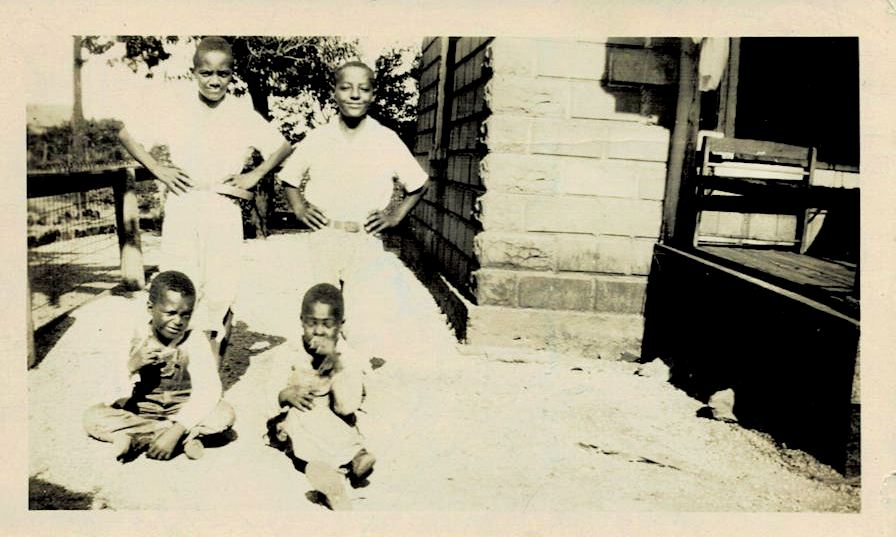
William Lorenzo White, Sr. was born on July 27, 1923, in Boley, Oklahoma, a historic all-Black community known for its Black-owned businesses, institutions, and strong sense of community.
His childhood was interrupted by tragedy. After both of his parents died, Willie moved to Long Beach, California, at approximately thirteen years of age. He and his younger sister, Pauline, were taken into the care of their Uncle Henry White and Aunt Beulah Ann White.
Later, his sister Vivian also came to Long Beach and lived with the family. Vivian eventually married and moved out, while their older sister Noneta remained in Oklahoma. Noneta was accepted to UCLA but ultimately chose to remain in Oklahoma.
These early experiences helped shape the determination and sense of responsibility that would remain with Willie throughout his life.
Education and a Promise to Himself
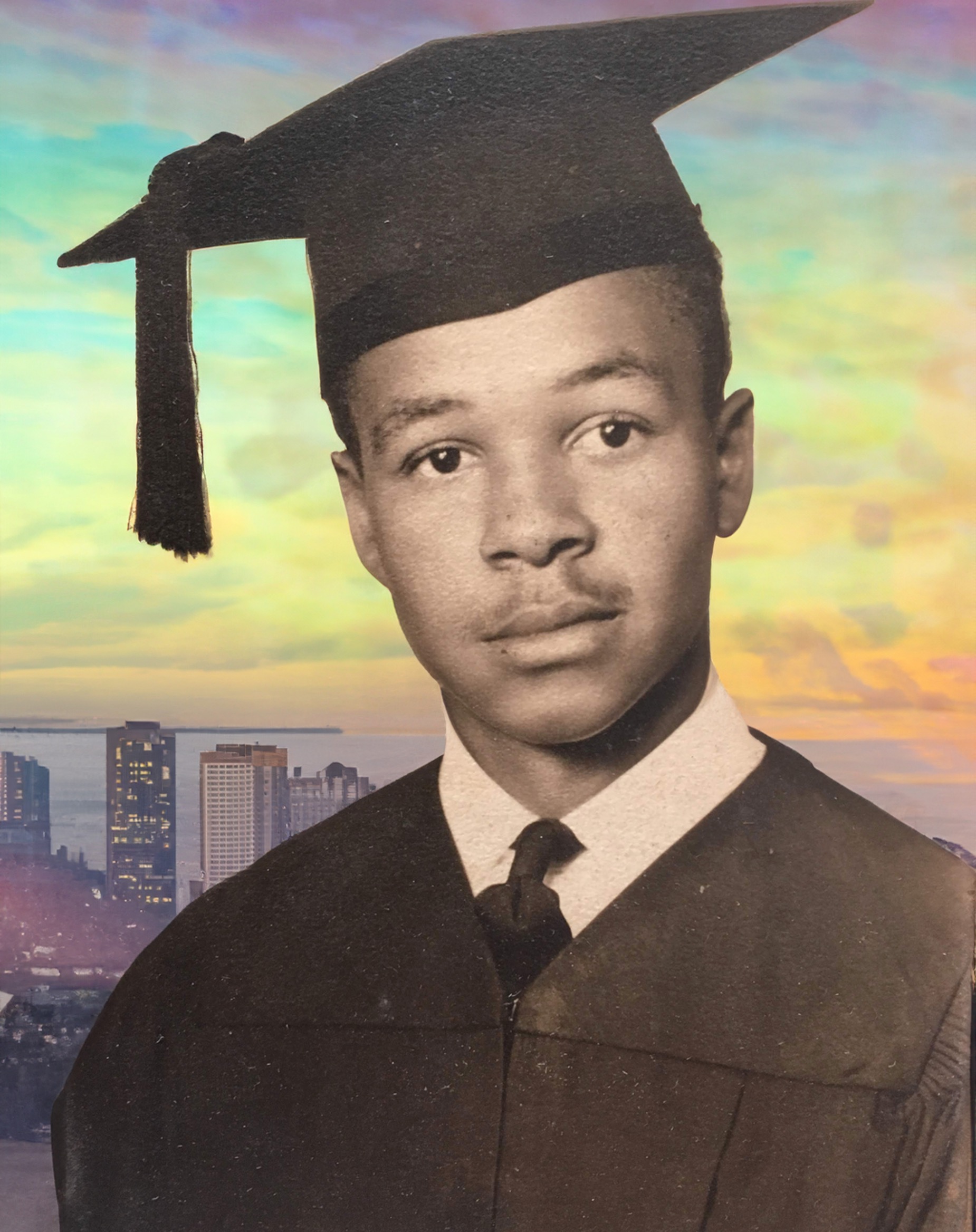
Willie attended Long Beach Polytechnic High School, commonly known as Poly High. At the time, only a small number of Black students attended the school.
He excelled academically and became the first Black student to graduate from Poly High School with honors.
His high school years came during a period of enormous change in the United States. World War II was approaching, and the path ahead would soon take Willie far beyond Long Beach.
His Poly High graduation marked the completion of one chapter of his young life—and the beginning of another.
World War II
After graduating from Long Beach Polytechnic High School, Willie went to work at the docks in Long Beach as a journeyman electrician. There, he helped build the warships being constructed for the American war effort.
His work at the docks placed him directly in the middle of the nation's wartime mobilization. Then came the call that would change the course of his life: Willie was drafted into the United States Army.
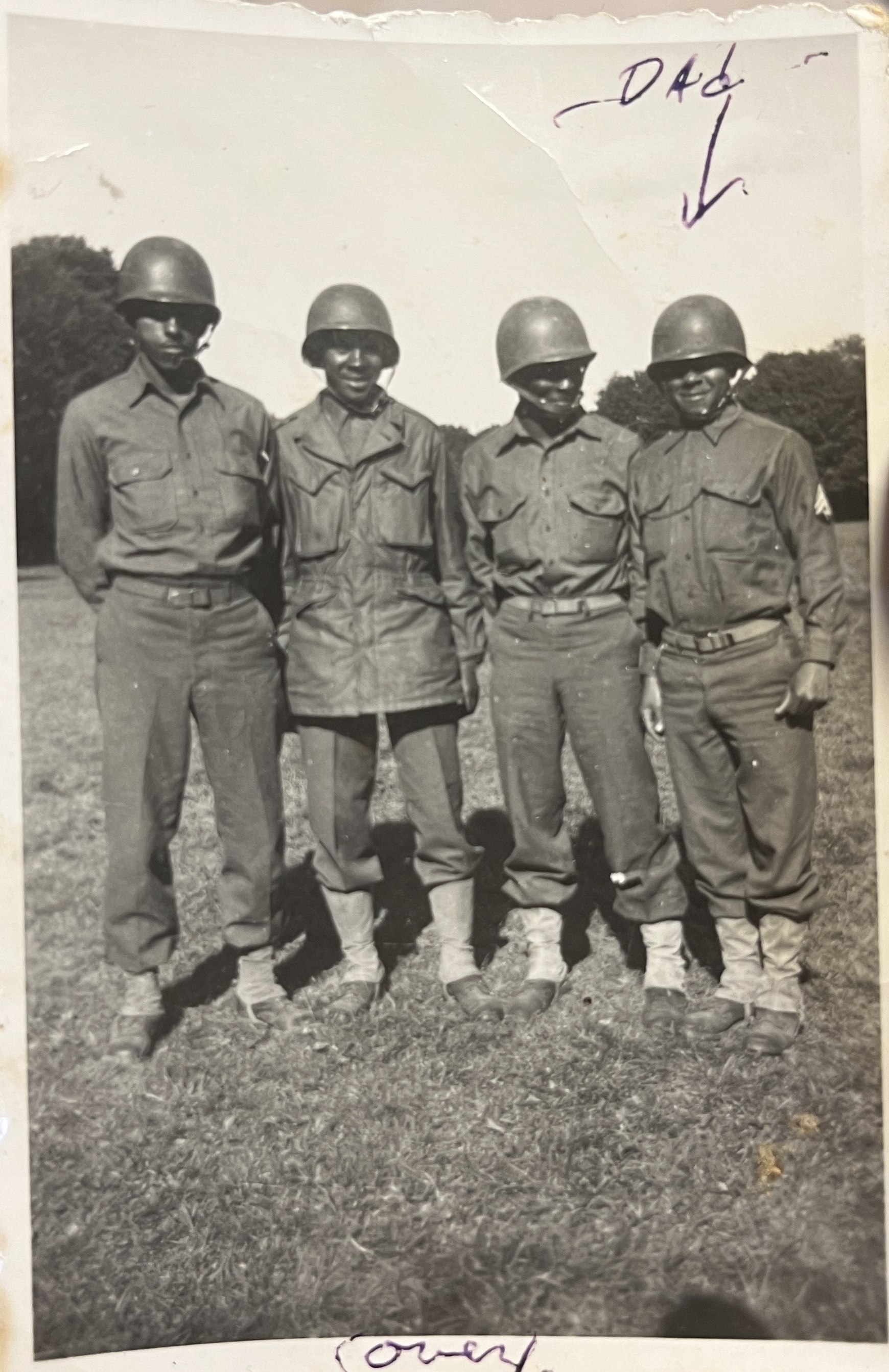
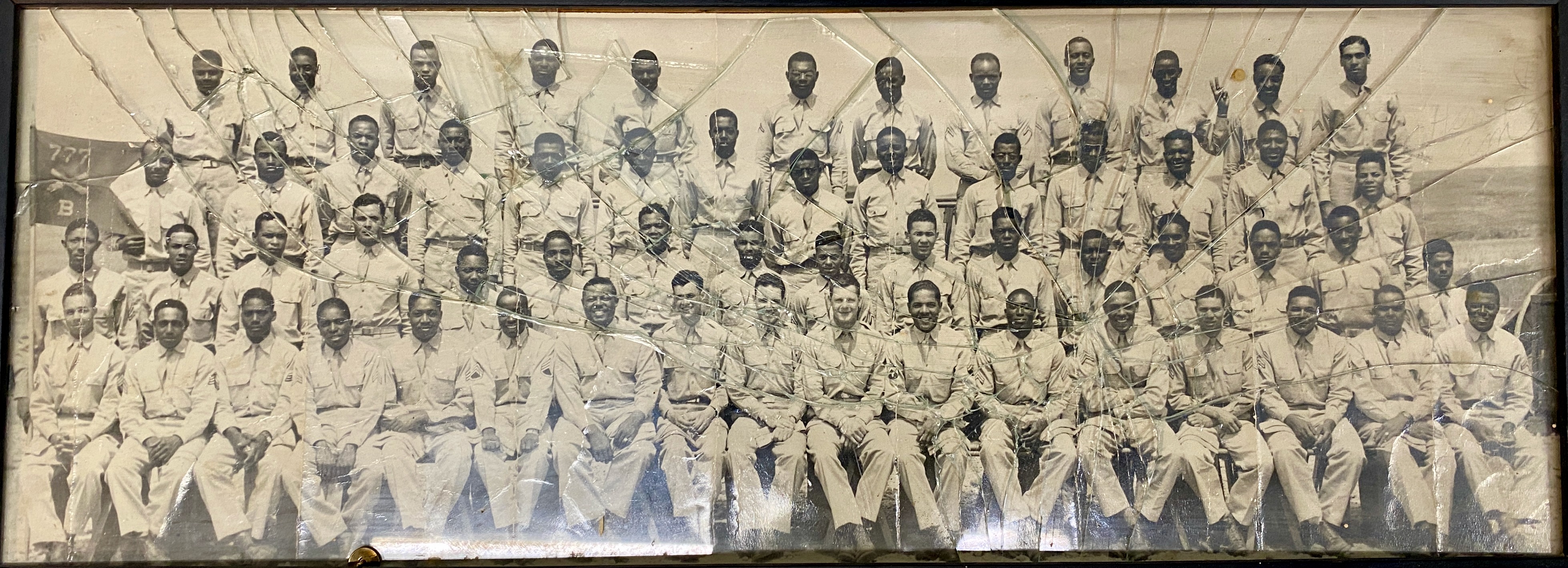
He entered military service and was sent to Europe, where he served with the 777th Field Artillery Battalion during World War II.
The military of that era was segregated, reflecting the racial inequality that existed throughout American society. His wartime experiences would become an important part of the perspective he carried into his later life and career.
During his service, Willie made a decision that would guide the rest of his life: if he survived the war, he wanted to become an attorney.
One accomplishment of the 777th remained especially meaningful to Willie throughout his life: his unit did not lose a single man Killed in Action.
Despite the dangers they faced and the injuries sustained by some soldiers, every member of the battalion came home alive from combat. Willie was deeply proud of the men with whom he served.
The 777th also holds an important place in the history of Black military service during World War II. On March 10, 1945, the battalion became the first Black combat unit to cross the Rhine River into Germany, supporting the Allied advance into enemy territory.
From the GI Bill to the Law
After completing his military service, Willie took advantage of the GI Bill, which provided returning veterans with an opportunity to pursue higher education.
He attended the University of Southern California, earning a Bachelor of Arts degree in Public Affairs and Political Science.
He then continued his education at Pacific Coast University School of Law, where he earned his Juris Doctor degree.
He passed the California Bar Examination on his first attempt.
The young man who had promised himself that he would become an attorney had now achieved the goal he had set for himself during the war.
Building a Law Practice
Willie returned to Long Beach and began building his own law practice at a time when there were very few Black attorneys practicing in the city.
He became one of only two Black attorneys in Long Beach and established a reputation for determination, professionalism, and dedication to his clients.
His legal career would eventually extend beyond the courtroom into civil rights, community affairs, public service, and some of the most important issues facing Black communities during his lifetime.
A Champion at Law
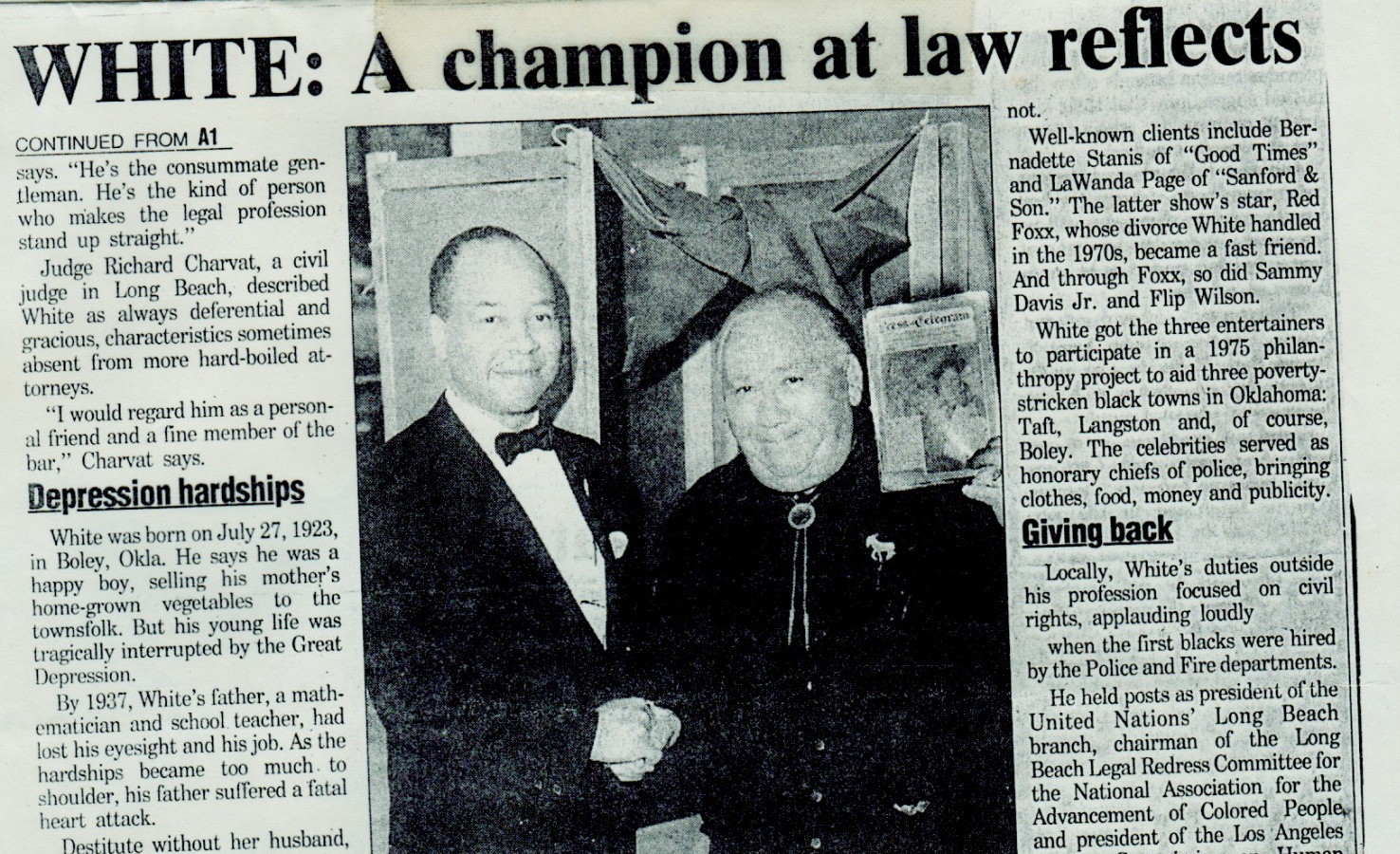
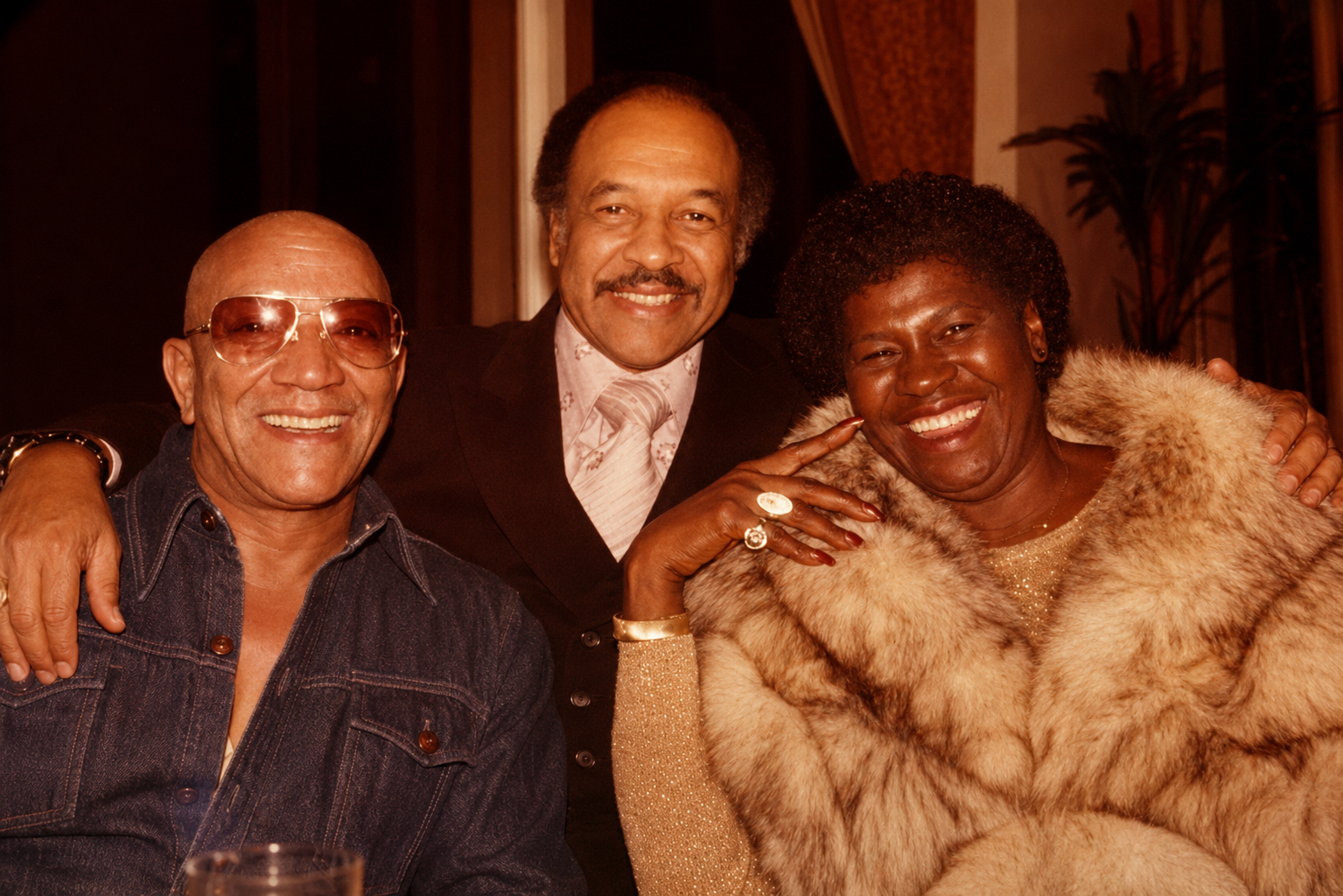
Throughout his career, Attorney White handled a wide range of cases and became well known throughout the Southern California legal community.
His clients included prominent entertainers and public figures, among them Sammy Davis Jr., Flip Wilson, Redd Foxx, and LaWanda Page.
His connections to the entertainment community were part of a broader legal practice that brought him into contact with people from many different walks of life.
But his legal career was never simply about professional success. He believed that the law could be used to create opportunity, protect people's rights, and help those who had historically been denied equal treatment.
Civil Rights and Community Leadership
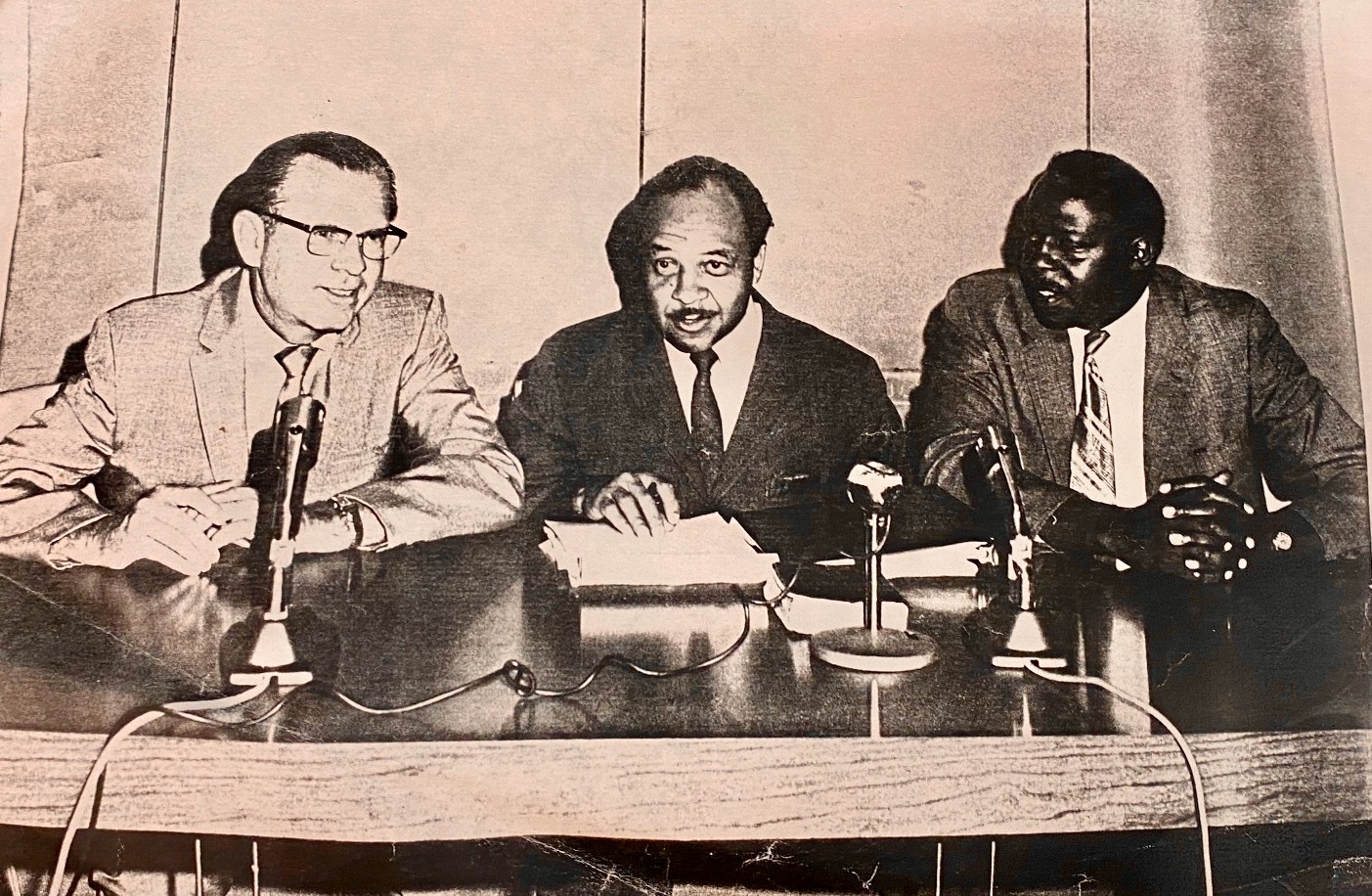
Attorney White's work extended far beyond the courtroom. He became active in civil rights and community affairs, working to expand opportunities for Black Americans and others who faced discrimination.
He served in public and civic leadership roles, including Commissioner of Public Relations for Los Angeles. He was also involved with organizations dedicated to civil rights and equal opportunity.
His work brought him into the broader struggle for racial equality and fair treatment, and he advocated for greater opportunities for minorities in public institutions and the workplace.
He also worked to encourage the recruitment of minority personnel into municipal departments and challenged discriminatory employment practices.
A Voice in Public Life
Attorney White believed that meaningful change required participation. He entered public life and sought elected office, including campaigns for Long Beach City Council and ultimately the mayoralty of Long Beach.
His involvement in civic affairs reflected the same philosophy that guided his legal career: communities could move forward when people were willing to stand up, participate, and work for change.
Before the United States Supreme Court
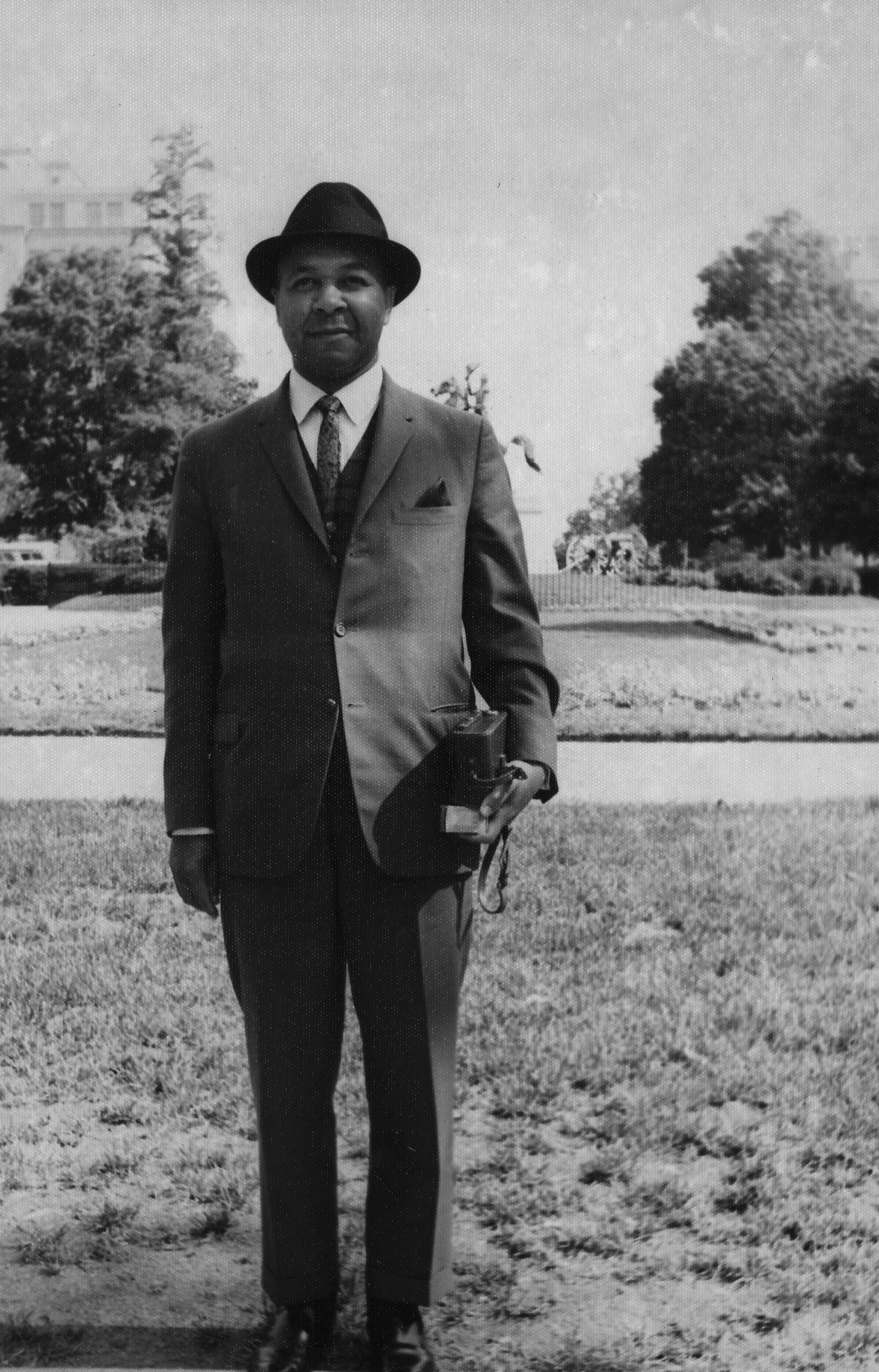
In 1965, Attorney William Lorenzo White was admitted to practice before the United States Supreme Court.
White returned to Long Beach from Washington, D.C., following his admission. Contemporary newspaper coverage reported that he was sponsored by California Senator Thomas Kuchel.
For a young man who had grown up in Boley, Oklahoma, lost both of his parents as a teenager, served his country during World War II, and then pursued his education and legal career, the achievement represented another significant milestone.
His admission to practice before the nation's highest court marked an important chapter in a career devoted to the law and public service.
The Law Was Always at the Center
Although he became involved in politics, civil rights, public affairs, and community leadership, the law remained at the center of William White's professional life.
He maintained a law practice in Long Beach and later opened an office in Beverly Hills, where he expanded his practice within the entertainment community.
Before his semi-retirement, he also helped people from Mexico, Central America, South America, and elsewhere navigate the complicated process of obtaining American citizenship.
Whether representing entertainers, families, or people seeking a better future, Willie continued to see the law as a means of helping others.
His Legacy
William Lorenzo White, Sr. lived through some of the most consequential decades in American history.
He was born in Boley, Oklahoma, came to Long Beach as a young teenager, graduated from Poly High, served his country during World War II, pursued higher education through the GI Bill, became an attorney, and built a legal career that extended from Long Beach to Beverly Hills and ultimately to the United States Supreme Court.
Along the way, he entered public life, advocated for civil rights and equal opportunity, represented entertainers and members of his community, and worked to open doors for others.
His story is not simply the story of a lawyer. It is the story of a man who repeatedly confronted circumstances that could have limited his future—and continued moving forward.
For nearly five decades, William Lorenzo White, Sr. practiced law, served his community, advocated for civil rights, and opened doors for others.
His story began in Boley, Oklahoma, continued through military service and education, and ultimately carried him into the courtroom, public life, and before the United States Supreme Court.
His life was about more than the cases he handled. It was about the people he helped, the opportunities he created, and the example he left behind.
His story continues through the people who remember him, the lives he touched, and the legacy he left for generations to come.